


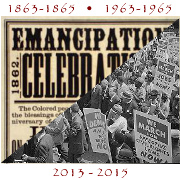
What does the Gettysburg Address tell us about the North and slavery?
Posted November 20th, 2013 by James DeWolf PerryCategory: History Tags: Abraham Lincoln, Battle of Gettysburg, Emancipation Proclamation, Emancipation to Equality, Gettysburg Address, Northern complicity, Sesquicentennial of the U.S. Civil War
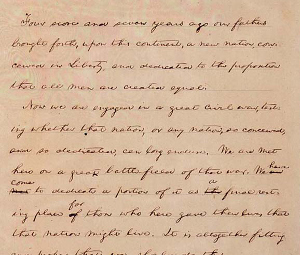 Now that much of the hullabaloo surrounding the 150th anniversary of the Gettysburg Address has died down, perhaps we can finally ask ourselves: what really was the enduring significance of Lincoln’s famous oration?
Lincoln’s remarks at Gettysburg were, of course, masterful. In just a few short sentences, the wartime president managed to eulogize the dead and to craft a narrative within which the nation could commemorate their sacrifice, and remember the war, in the context of broad themes from nation’s history and its future aspirations. His address even redefined the nature of public speeches in the United States, breaking ranks with generations of orations based on classical history, learned language, and the passage of hours.
Yet the historical significance of the Gettysburg Address lies primarily in Lincoln’s effort to shift the North’s motivation for fighting the conflict from the preservation of the Union to the radical, and largely detested, goal of emancipation for the nation’s 4 million remaining enslaved persons.
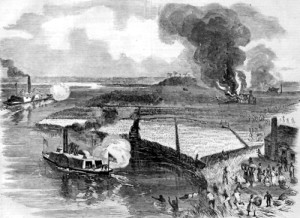 One hundred and fifty years ago today, Union forces led by Harriet Tubman and Colonel James Montgomery engaged in a daring and wildly successful raid up the Combahee River in South Carolina.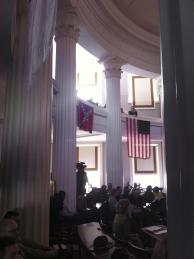
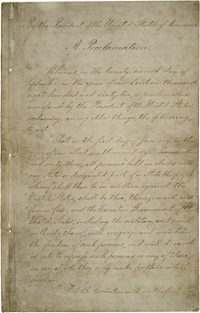 Today is the first day of 2013. This is an anniversary year that we’ve been talking about, and anticipating, for a long time here at the Tracing Center.
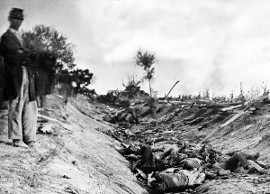 A week ago I was still pronouncing “Antietam” as if it rhymed with “Vietnam.” Now I know it’s pronounced “Anteetum” … and so much more. My husband John and I had heard about the 150th anniversary commemorations of the Battle of Antietam/Battle of Sharpsburg, and since we’d been meaning to have a camping get-away, we decided that this was a great excuse to get outdoors and pursue my work goal of seeing how the 150th of the Civil War, and the role of slavery in the war’s causes and consequences, is being acknowledged at battlefields.