

Why did emancipation in Maryland, 150 years ago today, hardly matter?
Posted November 1st, 2014 by James DeWolf PerryCategory: History Tags: Abraham Lincoln, Emancipation, State of Maryland, U.S. Civil War
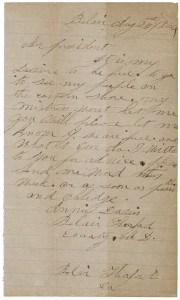
Letter from Annie Davis to President Lincoln, 1864
Today is the 150th anniversary of the abolition of slavery in Maryland.
This occasion mattered greatly, of course, to the 87,000 residents of Maryland who were still enslaved on November 1, 1864. This anniversary date also matters because the narrow passage of emancipation in Maryland furthered the gradual spread of emancipation elsewhere in the United States, including in the South, where the issue of emancipation had not yet been decided by Congress.
Nevertheless, in important ways, the reluctant abolition of slavery in Maryland scarcely mattered.
Pro-slavery attitudes and laws in Maryland
In 1864, when Maryland finally abolished slavery, the state had been on the Union side of the Civil War for three long years. Nevertheless, Maryland was a border state: slavery was common in the state, and the culture of slave-owning was widespread. Among the white population, therefore, loyalties had been deeply divided over the slavery question and secession all along.
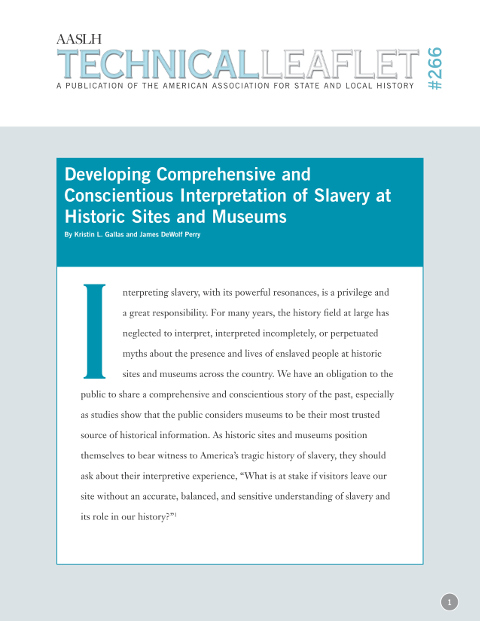 This year, Tracing Center staff wrote a “technical leaflet” on interpreting slavery for the American Association for State and Local History (AASLH).
 There are two new studies out on public opinion and voting behavior which shed light on persistent questions about how much racial prejudice hurts black politicians, and in particular, President Obama’s approval ratings and his vote totals in the 2008 and 2012 presidential elections.
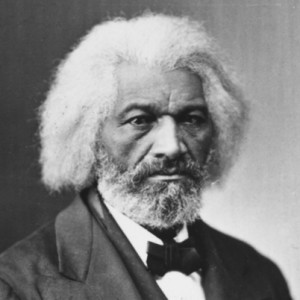 This post was originally published on July 4, 2013 and is reposted today in commemoration of Independence Day, in all its meanings.
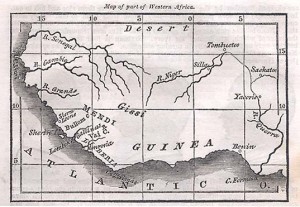 Today is the 175th anniversary of the Amistad revolt. In the United States, attention understandably focuses on the trial of the enslaved Africans who seized control of the ship from its crew, since the legal proceedings took place in this country.
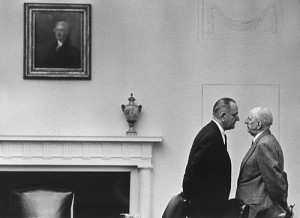 Fifty years ago today, the U.S. Senate passed the landmark Civil Rights Act of 1964, after ending the longest continuous debate in Senate history.