


Modern slavery and the challenge of seeing our society for what it is
Posted November 7th, 2013 by James DeWolf PerryCategory: Modern issues Tags: Abolition of the Slave Trade, Animal-rights movement, Modern-day slavery
 When I speak with audiences about my family’s prominent role in the transatlantic slave trade, I often suggest that while none of us can change what others did in the past, one response to this history is to consider seriously what future generations may think of us. In particular, I ask people to imagine what what institutions or social realities we take for granted today that our descendants may find it hard to believe we were aware of , and yet chose not to oppose or speak out against.
In a very similar vein, Nicholas Kristof offers this thought to readers of his New York Times column this morning, contrasting the evils depicted in Twelve Years a Slave to modern-day slavery:
I fear that a century from now, someone may put together a movie about slavery in 2013, leading our descendants to shake their heads and ask of us: What were they thinking?
 This morning, as ABC airs its full interview with juror B29 in the George Zimmerman case for the first time, Trayvon Martin’s mother says the juror’s most explosive comment, that Zimmerman “
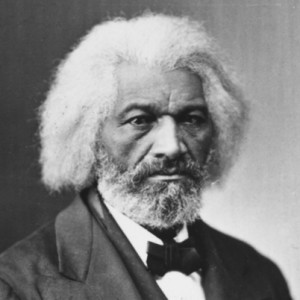 It is always worth making time, on the Fourth of July, to remember those people and movements whose courage and sacrifice advanced and improved upon the ideals on which the United States was founded. This is true even for those which may have seemed radical, subversive, or even unpatriotic at the time.
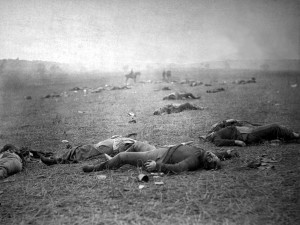 What, to the slave and to free blacks, was the Battle of Gettysburg? ((The title and first line of this essay are a paraphrasing of Frederick Douglass’ famous line, “What, to the American slave, is your Fourth of July?”, in his 1852 July 4th address, “The Meaning of July Fourth for the Negro,” in Rochester, N.Y.))
 Fifty years ago today, on June 29, 1963, the city of Birmingham, Alabama re-opened its municipal golf courses, making them available for the first time to both white and black citizens.
