


A state apology for slavery would acknowledge “the most fundamental sin in Delaware’s long history”
Posted January 24th, 2015 by James DeWolf PerryCategory: Repair and reparations Tags: Apologies, Delaware, Legislation, Racial discrimination, slavery, Underground Railroad
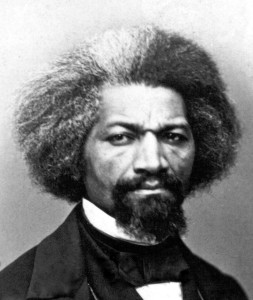
Famed abolitionist Frederick Douglass was one of the many enslaved who escaped to freedom through Delaware
We can now add Delaware to the list of U.S. states where there is a popular movement to finally acknowledge the history of slavery and, perhaps, to apologize for that history.
The story until this month: in 2010, the Dover City Council passed a resolution, at the urging of the city’s human rights commission, asking the state legislature to apologize for slavery and Jim Crow. Since that time, no member of the Delaware General Assembly has been willing to put forward such a resolution.
Since January 1, however, there has emerged a movement in Delaware to have the governor issue pardons to three Delaware abolitionists who were convicted in the 19th century of aiding enslaved people along the Underground Railroad.
In response, historian Samuel B. Hoff of Delaware State University, who was chair of the Dover Human Relations Commission in 2010, is calling for the public to capitalize on the current momentum to address the state’s racial past, not on pardoning a handful of abolitionists for their crimes, but by finally acknowledging that these should never have been crimes: that state laws supporting slavery “were themselves morally bankrupt.”
 The last time we provided an update here on the effort to have U.S. states to apologize for their role in slavery and racism, we reported that the Tennessee House of Representatives had voted overwhelmingly to approve a resolution which would have expressed “
 Yesterday, we reported on our
  Philosopher Stephen T. Asma is causing quite a stir these days with his new book,
  Update: On Monday, December 17, our Katrina Browne will appear on “Huff Post Live” at 12:30 ET to discuss the topic of “White in America,” in a segment entitled “
